Best Products for Studying: 12 Study Essentials That Actually Help Students
August 29, 2026 / By
mind life up / 9 minutes of reading
Disclosure: This post contains affiliate links. As an Amazon Associate, we earn from qualifying purchases at no extra cost to you.
Read more
Studying is a lot easier when your setup works with you instead of against you. The right tools can help you stay organized, reduce distractions, take clearer notes, and make long study sessions more comfortable.
If you’re searching for the best products for studying, you don’t need a desk full of trendy gadgets. A few carefully chosen study essentials can make a bigger difference.
Below are practical products that fit real student needs, from college dorm rooms and libraries to home study spaces.
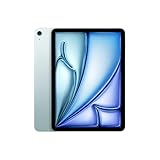
1. Apple iPad Air — Best for Digital Notes
The iPad Air is one of the most versatile study products for college students who prefer keeping everything in one place.
Pair it with an Apple Pencil, and you can handwrite lecture notes, annotate PDFs, organize textbooks, review slides, and create diagrams without carrying multiple notebooks.
Apps such as Goodnotes and Notability make it especially useful for note-heavy courses.
Why students may like it:
Excellent for handwritten notes
Easy PDF annotation
Large selection of education apps
Lightweight enough for campus
Useful beyond studying for entertainment and creative work
The main downside is cost. Once you add a stylus, case, and potentially a keyboard, your total can climb quickly. Students who mainly need basic handwritten notes can find cheaper alternatives.
Best for: College students who want a paperless study setup.
Take handwritten notes, annotate PDFs, organize study materials, and keep your coursework in one portable device. Pair it with Apple Pencil for a more complete digital note-taking setup.
2. Samsung Galaxy Tab S6 Lite — Best Affordable Study Tablet
You don’t necessarily need an iPad to take digital notes.
The Samsung Galaxy Tab S6 Lite is a popular alternative for students who want note-taking, reading, and media features without paying premium tablet prices.
One particularly student-friendly advantage is the included S Pen. That makes the initial setup more affordable compared with tablets that require you to purchase a stylus separately.
It works well for:
Taking handwritten class notes
Reading ebooks and PDFs
Annotating documents
Watching recorded lectures
Light multitasking
It isn’t designed to replace a powerful laptop, but as a companion device for school, it offers a useful balance between price and functionality.
Best for: Students looking for a budget-friendly digital notebook.
Want handwritten digital notes without the premium tablet price? The Galaxy Tab S6 Lite includes an S Pen and gives students a practical setup for notes, PDFs, reading, and recorded lectures.
3. Sony WH-1000XM6 — Best Noise-Canceling Headphones for Studying
Noise-canceling headphones can be one of the most useful study essentials if background sound makes concentrating difficult.
Sony’s WH-1000XM6 headphones combine strong active noise cancellation with a comfortable wireless design. They’re especially useful for students who frequently study in shared spaces.
You can use them for instrumental playlists, recorded lectures, online classes, or simply noise reduction.
Pros:
Strong active noise cancellation
Comfortable for extended listening
Wireless design
Useful for calls and online classes
Good all-around sound
The biggest drawback is the premium price.
Best for: Students who regularly study in noisy environments.
Block out more of the noise around you and focus on your work. The Sony WH-1000XM6 combines powerful noise cancellation, wireless convenience, and a comfortable design for long study sessions.
4. Soundcore Space One — Best Budget Study Headphones
Premium headphones aren’t necessary for everyone.
The Soundcore Space One is a more affordable option for students who want active noise cancellation and long battery life while keeping their budget under control.
They’re useful for dorms, commuting, libraries, and everyday campus life.
The noise cancellation isn’t the only reason they make sense for students. Their wireless design means the same headphones can travel from your study desk to the bus, gym, or classroom.
Best for: Budget-conscious students who want wireless ANC headphones.
Get wireless active noise cancellation without jumping to premium headphone prices. Soundcore Space One is a practical pick for studying, commuting, dorm life, and everyday listening.
5. Lepro LED Desk Lamp — Best Desk Lamp for Studying
A desk lamp isn’t exciting, but it’s one of those study accessories that can improve a workspace immediately.
Lepro offers popular LED desk lamps with adjustable brightness and color-temperature settings. This makes it easier to choose warmer lighting at night or brighter, cooler illumination when reading and writing.
Look for a model with:
Multiple brightness levels
Adjustable color temperatures
Flexible positioning
A compact base
Simple controls
A good LED lamp is especially valuable in dorm rooms or bedrooms where the main ceiling light isn’t ideal for desk work.
Best for: Late-night studying, reading, and small desks.
Upgrade your desk with adjustable lighting for reading, writing, and late-night study sessions. Choose your preferred brightness and color temperature to match the task and time of day.
6. Ticktime Pomodoro Timer — Best Study Timer
Your phone already has a timer. The problem is that your phone also has TikTok, Instagram, messages, games, and dozens of other distractions.
A dedicated Pomodoro timer gives you a simple way to structure focused work without reaching for your phone every 25 minutes.
Ticktime timers are designed around easy countdown sessions, making them practical for techniques such as:
25 minutes studying → 5-minute break → repeat.
For longer deep-work sessions, try 50 minutes of focused work followed by a 10-minute break.
A physical timer won’t magically create motivation, but it can add structure to study sessions and reduce unnecessary phone checking.
Best for: Students who procrastinate when their phone is nearby.
Turn focused study sessions into a simple routine with a dedicated timer. Use it for Pomodoro sessions, scheduled breaks, or longer blocks of distraction-free work.
7. Anki — Best Flashcard Tool for Active Recall
Not every useful study product needs to sit on your desk.
Anki is a flashcard system built around spaced repetition. Instead of reviewing every card equally, it schedules reviews based on how well you remember the information.
That makes it particularly useful for material requiring long-term recall, including:
Vocabulary
Medical terminology
Anatomy
Formulas
Historical dates
Definitions
Language learning
Creating good cards takes time, so Anki works best when you use concise prompts rather than copying entire paragraphs into each flashcard.
Best for: Memorization-heavy classes and exam preparation.
Use spaced repetition to review information when it matters most. Anki is especially useful for vocabulary, formulas, definitions, languages, and other memory-heavy subjects.
8. Five Star Spiral Notebook — Best Everyday Study Notebook
Digital tools are convenient, but sometimes paper is faster.
Five Star notebooks remain a practical choice for lecture notes, calculations, brainstorming, and subjects where handwriting feels more natural.
They’re widely available in the U.S., inexpensive compared with electronics, and come in different sizes and subject configurations.
A multi-subject notebook can be useful if you want fewer books in your backpack, while separate single-subject notebooks make archiving individual classes easier.
Best for: Students who prefer traditional handwritten notes.
Sometimes paper is all you need. A Five Star Spiral Notebook gives you a straightforward place for lecture notes, calculations, brainstorming, and everyday classwork.
9. Blue Sky Academic Planner — Best Student Planner
Assignments become much harder to manage when deadlines live across several apps, emails, and syllabus pages.
A Blue Sky academic planner gives you a physical place to track exams, homework, appointments, and study sessions.
At the beginning of each semester, add important dates from every syllabus. Then use the weekly pages to turn those deadlines into smaller tasks.
For example, instead of writing only “Biology Exam — Friday,” schedule review sessions throughout the week.
That small change turns a planner from a calendar into an actual study tool.
Best for: Students balancing multiple classes and deadlines.
Turn assignments, exams, appointments, and study sessions into a clear weekly plan. A physical academic planner can make a busy semester easier to manage.
10. Nulaxy Laptop Stand — Best Laptop Stand for a Study Desk
When you spend hours looking down at a laptop, desk ergonomics matter.
A Nulaxy laptop stand raises your computer to a more comfortable viewing height while creating additional room underneath or around your workspace.
For a more ergonomic permanent desk setup, pair a raised laptop with an external keyboard and mouse. That lets you position the screen higher without forcing your arms into an awkward typing position.
Before ordering, check the specific stand’s dimensions and compatibility with your laptop.
Best for: Students who spend long periods studying at a desk.
Raise your laptop to a more comfortable viewing height and create a cleaner study space. It’s a simple desk upgrade for students who spend hours working on a laptop.
11. Anker Power Bank — Best Portable Charger for Students
A dead phone or tablet in the middle of a long campus day is annoying, especially when you rely on the device for your schedule, notes, authentication apps, or transportation.
Anker makes portable power banks in multiple capacities and sizes, making them an easy addition to a student backpack.
For everyday campus use, prioritize:
USB-C charging
Enough capacity for your devices
Compact size
Reasonable weight
Suitable charging output
Always check whether the specific model supports the charging speed required by your phone, tablet, or laptop.
Best for: Commuters and students who spend all day on campus.
Carry extra power for long days away from an outlet. An Anker power bank can help keep your phone, tablet, and other compatible devices ready when you need them.
12. Texas Instruments TI-84 Plus CE — Best Graphing Calculator for Students
For students taking certain high school or college math and science courses, the TI-84 Plus CE remains a familiar graphing-calculator option in the U.S.
Its color display and rechargeable battery make it more convenient than older calculator designs.
However, don’t automatically buy one just because it’s popular. Calculator rules vary by course, school, and standardized exam.
Check your professor’s syllabus or exam requirements before purchasing.
Best for: Students whose math or science courses specifically support or require a graphing calculator.
The TI-84 Plus CE offers a color display, rechargeable battery, and familiar graphing tools for compatible math and science courses. Check your course or exam requirements before ordering.
How to Choose the Best Products for Studying
The best study gear solves a specific problem. Before buying anything, ask yourself what currently interrupts your studying.
If noise is the problem, prioritize headphones. If you keep checking your phone, a physical timer may be more useful. If notes are scattered everywhere, consider a tablet, planner, or notebook. If studying at your desk feels uncomfortable, improve your lighting and laptop position first.
Budget matters too. A $10–$30 study accessory that solves an everyday frustration can provide more value than an expensive gadget you rarely use.
What Study Essentials Are Actually Worth Buying?
For most students, a practical setup starts with just a few things: reliable note-taking supplies, comfortable lighting, a planning system, and a way to reduce distractions.
After those basics, add products based on your classes and habits.
A STEM student might get substantial use from a graphing calculator and tablet. A student living with roommates may value noise-canceling headphones more. Someone preparing for vocabulary-heavy exams might benefit most from Anki and a study timer.
There isn’t one perfect setup for every student.
Best Studying Products by Budget
If you have a limited budget, start with a notebook, planner, Anki, and a simple desk lamp. Those cover note-taking, organization, recall, and your workspace without requiring a major investment.
With a medium budget, consider adding a dedicated timer, laptop stand, portable charger, or affordable ANC headphones.
For a larger budget, an iPad Air and premium noise-canceling headphones can build a flexible study setup that works both at home and around campus.
FAQ
What are the best products for studying?
Some of the most useful options include a notebook or tablet for notes, a planner for organization, a Pomodoro timer for focus, noise-canceling headphones, an adjustable desk lamp, and flashcard software such as Anki. The right combination depends on your study habits.
What study products help with focus?
Noise-canceling headphones and physical study timers are particularly useful for managing environmental distractions. Keeping your phone outside immediate reach can also help during focused sessions.
Are expensive study gadgets worth it?
Only when you’ll use them regularly. An iPad can be excellent for a student who annotates hundreds of PDFs, but excessive for someone who prefers paper. Match the purchase to a recurring need rather than the product’s popularity.
What are good gifts for college students?
Practical options include portable chargers, desk lamps, headphones, planners, laptop stands, and notebooks. For expensive electronics, it’s better to confirm what the student already owns before buying.
Final Picks
You don’t need every item on this list. Build your setup around the problems you actually encounter.
For digital note-taking, the iPad Air is the premium choice, while the Galaxy Tab S6 Lite provides a more affordable alternative. Sony’s WH-1000XM6 is a strong choice for students prioritizing noise cancellation, while the Soundcore Space One better fits tighter budgets.
For smaller upgrades, an LED desk lamp, physical timer, notebook, planner, and Anki can be surprisingly effective.
Ultimately, the best products for studying are the ones you’ll consistently use—not the ones that simply look good on a study desk.